Carmel market
Tel-Aviv, IL

- Location
- Tel-Aviv, IL
- Category
- iconic bucket list
- Coordinates
- 32.0692169, 34.7693388
- Best time
- Morning or early afternoon
- Weather tip
- Check the local forecast before visiting.
Overview
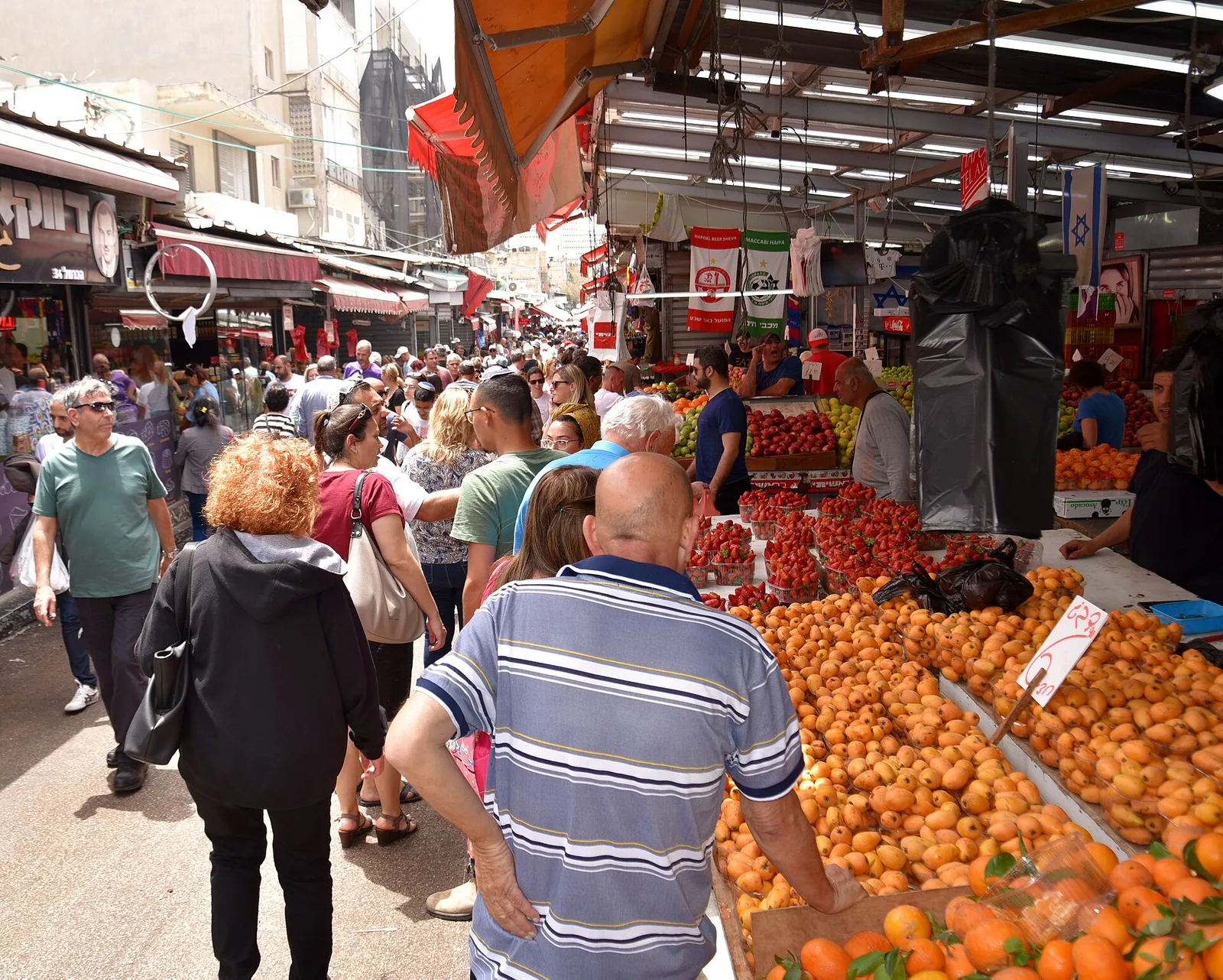
Carmel Market, or Shuk HaCarmel, is the largest and most iconic open-air marketplace in Tel Aviv. Established in 1920, it serves as the beating heart of the city's culinary and social life. Visitors to the market can expect a sensory overload characterized by the vibrant colors of fresh produce, the aroma of exotic spices, and the constant hum of vendors calling out their daily specials. The market offers an extensive array of goods, ranging from fresh fruits, vegetables, and artisanal cheeses to clothing, household items, and authentic street food. For those seeking authentic local attractions, the market is an essential stop to experience the genuine spirit of Tel Aviv. Beyond the primary stalls, the surrounding Yemenite Quarter provides a charming backdrop for exploration, offering narrow alleyways and historic architecture that contrast with the bustling energy of the main thoroughfare. Whether you are looking for fresh ingredients for a home-cooked meal or searching for unique trip ideas to immerse yourself in local culture, Carmel Market provides a comprehensive look at the city's diverse heritage. The best time to visit is during the morning or early afternoon when the stalls are at their most active. Navigating the market requires a spirit of adventure, as you weave through the crowds to discover hidden gems tucked away in the side lanes.
General information
Carmel Market, or Shuk HaCarmel, is the largest and most iconic open-air marketplace in Tel Aviv. Established in 1920, it serves as the beating heart of the city's culinary and social life. Visitors to the market can expect a sensory overload characterized by the vibrant colors of fresh produce, the aroma of exotic spices, and the constant hum of vendors calling out their daily specials. The market offers an extensive array of goods, ranging from fresh fruits, vegetables, and artisanal cheeses to clothing, household items, and authentic street food. For those seeking authentic local attractions, the market is an essential stop to experience the genuine spirit of Tel Aviv. Beyond the primary stalls, the surrounding Yemenite Quarter provides a charming backdrop for exploration, offering narrow alleyways and historic architecture that contrast with the bustling energy of the main thoroughfare. Whether you are looking for fresh ingredients for a home-cooked meal or searching for unique trip ideas to immerse yourself in local culture, Carmel Market provides a comprehensive look at the city's diverse heritage. The best time to visit is during the morning or early afternoon when the stalls are at their most active. Navigating the market requires a spirit of adventure, as you weave through the crowds to discover hidden gems tucked away in the side lanes.
Did you know
- Carmel Market was founded in 1920 by immigrants who settled in the area.
- The market is situated near the historic Yemenite Quarter, known as Kerem HaTeimanim.
- It remains the primary destination for local chefs and residents to source fresh, seasonal Israeli produce.
History
Carmel Market was established in 1920, shortly after the founding of Tel Aviv. It grew rapidly as the city expanded, serving as a vital supply hub for the growing population. Over the decades, the market has evolved from a simple produce exchange into a major cultural landmark. It has survived various periods of urban development and conflict, maintaining its role as a central commercial artery. The historical significance of the market is deeply tied to the waves of immigration that shaped Tel Aviv throughout the 20th century, with each group contributing unique culinary traditions and goods to the market's inventory.
Cultural significance
The market is a microcosm of Israeli society, reflecting a blend of Middle Eastern, Mediterranean, and European influences. It is a place where social boundaries blur, and people from all walks of life gather to shop and eat. The vocal tradition of the 'shuk' vendors—shouting prices and praising their produce—is a recognized element of local folklore. Furthermore, the market has become a culinary destination, with numerous small eateries and food stalls serving traditional dishes like falafel, shakshuka, and various pastries, preserving the authentic flavors of the region for both locals and tourists.
Geography and landscape
Carmel Market is located in the heart of Tel Aviv, stretching from the Allenby Street intersection toward the Mediterranean coastline. The topography is relatively flat, typical of the coastal plain. The market is organized along a central pedestrian artery, with a network of smaller, winding streets branching off into the Yemenite Quarter. The surrounding urban landscape is a mixture of older, low-rise residential buildings, renovated boutique structures, and dense commercial storefronts. The proximity to the beach and the city center makes it a pivotal point in the urban geography of Tel Aviv.
More facts
- Imported from OSM batch
Visitor links
Nearby attractions
- Berlin House Tel Aviv - 378 m
- Bauhaus Museum Tel-Aviv - 445 m
- Bet Eliyahu Tel Aviv - 668 m
- Hetzel Museum Tel-Aviv - 686 m
- Jabotinsky Institute in Israel Tel-Aviv - 686 m
- Jabotinsky Museum Tel-Aviv - 686 m
- Mazeh water tower Tel-Aviv - 705 m
- Muzeʼon Bet ha-Tanakh ʻa. sh. Daṿid Ben Guryon Tel-Aviv - 723 m