Bunker 3f
BE
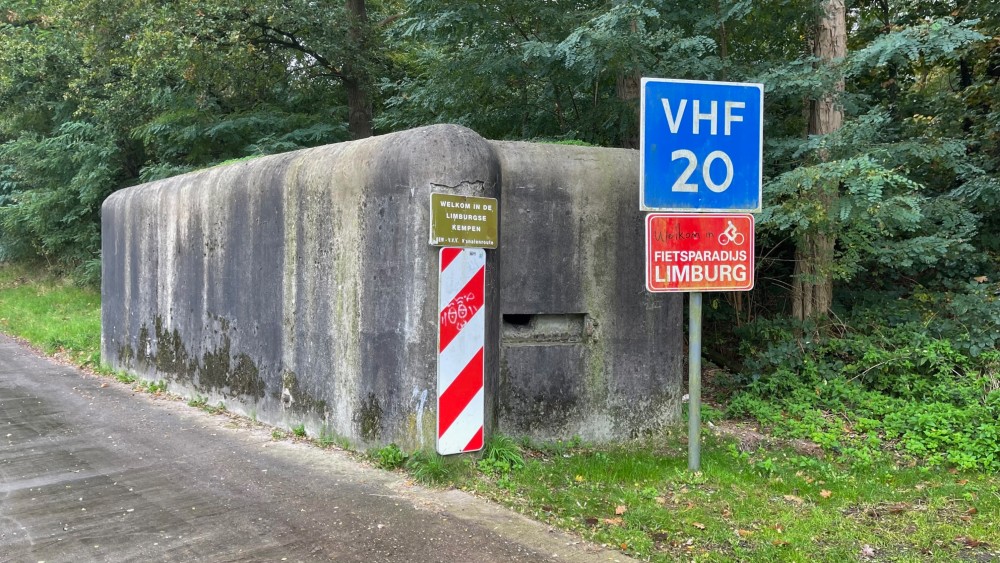
- Location
- BE
- Category
- heritage historic sites
- Coordinates
- 51.237211, 5.215758
- Best time
- Morning or early afternoon
- Weather tip
- Check the local forecast before visiting.
Overview
Bunker 3f is a significant historical site located along the Bocholt-Herentals Canal in Belgium. As a component of the wider 'Grensstelling' (Border Position) defensive line, this structure serves as a tangible testament to the military engineering strategies employed during the mid-20th century. Visitors to the site can observe the reinforced concrete architecture, which was designed to provide strategic defensive capabilities along this vital waterway. For those interested in military history or seeking unique trip ideas, Bunker 3f offers a compelling look into the defensive fortifications that shaped the landscape of the region during the war years. The site is best experienced during the morning or early afternoon hours, allowing for clear visibility of the structure's physical condition and the surrounding canal environment. When planning your visit, it is recommended to check the local weather forecast, as the site is situated in an open, outdoor setting. Exploring this bunker provides a rare opportunity to engage directly with the physical remnants of 20th-century European history, making it a noteworthy stop for students of conflict archaeology and those looking for historical attractions in the area. The surrounding canal path offers a quiet, contemplative atmosphere, perfect for those who appreciate the intersection of natural landscapes and historical preservation.
General information
Bunker 3f is a significant historical site located along the Bocholt-Herentals Canal in Belgium. As a component of the wider 'Grensstelling' (Border Position) defensive line, this structure serves as a tangible testament to the military engineering strategies employed during the mid-20th century. Visitors to the site can observe the reinforced concrete architecture, which was designed to provide strategic defensive capabilities along this vital waterway. For those interested in military history or seeking unique trip ideas, Bunker 3f offers a compelling look into the defensive fortifications that shaped the landscape of the region during the war years. The site is best experienced during the morning or early afternoon hours, allowing for clear visibility of the structure's physical condition and the surrounding canal environment. When planning your visit, it is recommended to check the local weather forecast, as the site is situated in an open, outdoor setting. Exploring this bunker provides a rare opportunity to engage directly with the physical remnants of 20th-century European history, making it a noteworthy stop for students of conflict archaeology and those looking for historical attractions in the area. The surrounding canal path offers a quiet, contemplative atmosphere, perfect for those who appreciate the intersection of natural landscapes and historical preservation.
Did you know
- Bunker 3f was part of the 'Grensstelling', a defensive line established to protect the Bocholt-Herentals Canal.
- The structure is built from reinforced concrete, typical of defensive fortifications constructed in Belgium during the 1930s.
- The canal itself served as a major strategic barrier, influencing the placement of bunkers like 3f along its banks.
History
Bunker 3f was constructed as part of the Grensstelling, or border defensive position, along the Bocholt-Herentals Canal. These fortifications were part of the Belgian defensive strategy intended to delay an invading force by utilizing the canal as a natural obstacle, reinforced by a line of concrete bunkers. Following the outbreak of conflict in the region, these structures were integrated into the defensive network. The bunker remains as a physical remnant of this era, documenting the military architecture and defensive planning that characterized the period. While many such structures were decommissioned or destroyed after the war, Bunker 3f stands as a documented site for historical research and public interest.
Cultural significance
Bunker 3f holds significance as a site of memory and historical education. It represents the material culture of mid-20th-century military defense in Belgium. By preserving such structures, the region maintains a connection to the events of the war, allowing contemporary visitors to visualize the scale and reality of the defensive lines that once crisscrossed the country. The site facilitates a deeper understanding of the strategic importance of the Bocholt-Herentals Canal and serves as a point of reflection on the impact of military conflict on the local landscape and community history.
Geography and landscape
Bunker 3f is situated directly along the banks of the Bocholt-Herentals Canal. The landscape is characterized by the flat, industrial, and agricultural terrain typical of the Campine region in Belgium. The canal acts as a prominent geographical feature, creating a linear corridor that dictated the placement of the defensive bunkers. The area surrounding the bunker is largely open, providing clear views of the waterway and the towpaths that run parallel to it. This setting is largely rural and quiet, offering a stark contrast between the heavy, permanent nature of the concrete bunker and the flowing, modern usage of the canal for transport and recreation.
More facts
- Imported from OSM batch
Visitor links
Nearby attractions
- Bunker K-2 915 m
- Onze-Lieve-Vrouwkapelletje 1583 m
- Voormalig hospitaal Lommel - 3367 m
- Voormalige school Lommel - 3434 m
- Statie 7 3717 m
- De Hofkens Mol - 4558 m
- Sint-Pauluskerk Lommel - 4809 m
- Casino Gompel 6328 m