Brechat HaKshatot
Ramla, IL

- Location
- Ramla, IL
- Category
- iconic bucket list
- Coordinates
- 31.9319319, 34.8711257
- Best time
- Morning or early afternoon
- Weather tip
- Check the local forecast before visiting.
Overview
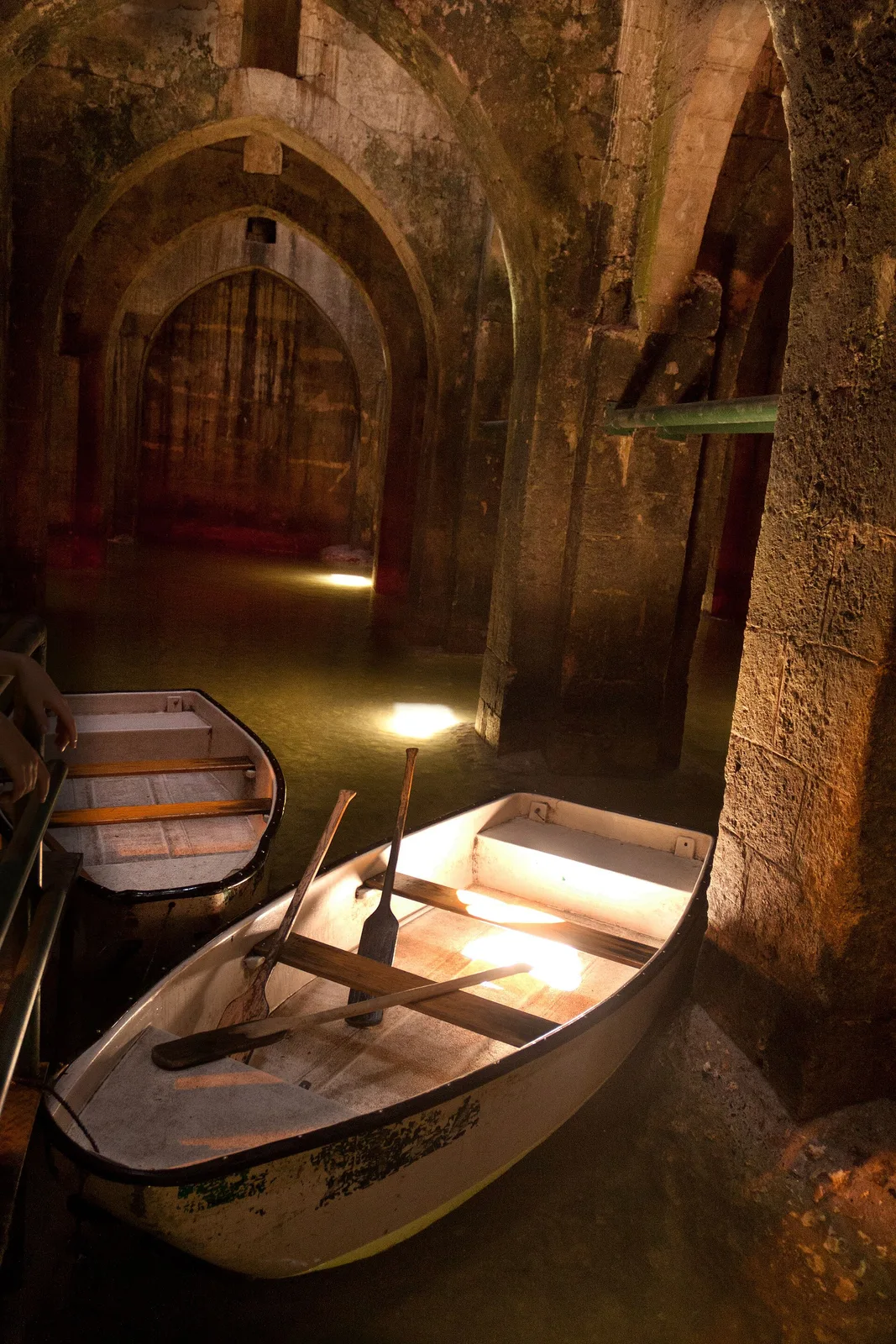
Brechat HaKshatot, also known as the Pool of the Arches or St. Helen's Pool, is a remarkable subterranean water reservoir located in the city of Ramla. This iconic bucket-list site is an exceptional example of early Islamic civil engineering, dating back to the 8th century CE. Visitors descend a flight of stairs into a cool, dimly lit underground hall where rows of pointed arches support a high ceiling, reflecting beautifully in the water below. The site is famous for being one of the few structures in Israel that has remained intact since the Abbasid Caliphate, surviving numerous earthquakes over twelve centuries. Today, the pool offers a unique experience where visitors can rent small rowboats to navigate between the ancient stone pillars. It is widely considered one of the most intriguing places to visit for those interested in history and architecture. If you are looking for what to do in the area, this site provides a serene escape from the urban bustle, offering a rare glimpse into the sophisticated water management systems of the ancient world. The atmosphere is quiet and evocative, making it a favorite for photographers and history enthusiasts alike.
General information
Brechat HaKshatot, also known as the Pool of the Arches or St. Helen's Pool, is a remarkable subterranean water reservoir located in the city of Ramla. This iconic bucket-list site is an exceptional example of early Islamic civil engineering, dating back to the 8th century CE. Visitors descend a flight of stairs into a cool, dimly lit underground hall where rows of pointed arches support a high ceiling, reflecting beautifully in the water below. The site is famous for being one of the few structures in Israel that has remained intact since the Abbasid Caliphate, surviving numerous earthquakes over twelve centuries. Today, the pool offers a unique experience where visitors can rent small rowboats to navigate between the ancient stone pillars. It is widely considered one of the most intriguing places to visit for those interested in history and architecture. If you are looking for what to do in the area, this site provides a serene escape from the urban bustle, offering a rare glimpse into the sophisticated water management systems of the ancient world. The atmosphere is quiet and evocative, making it a favorite for photographers and history enthusiasts alike.
Did you know
- The pool was built in 789 CE during the reign of the famous Caliph Harun al-Rashid.
- It is the oldest structure in the world to utilize the pointed arch, a design that later influenced Gothic architecture in Europe.
- The reservoir has a capacity of approximately 5,700 cubic meters of water.
- The pool was featured in the 1971 Israeli film 'Hasamba and the Deserted Bandits'.
History
The construction of Brechat HaKshatot was completed in 789 CE, during the Abbasid Caliphate under the rule of Caliph Harun al-Rashid. An Arabic inscription near the entrance confirms this date, marking it as a rare surviving example of early Islamic architecture. The reservoir was designed to provide a reliable water source for the residents of Ramla, which was a major regional capital at the time. The water was originally fed by an aqueduct from the Gezer region. Its structural integrity is a testament to the engineering skills of the period; the use of pointed arches allowed the weight of the ceiling to be distributed effectively, which is why the structure has remained standing despite centuries of seismic activity in the region.
Cultural significance
Brechat HaKshatot holds significant architectural importance as it represents a bridge between Eastern and Western building techniques. The pointed arches found here predated their widespread use in European cathedrals by several centuries. Culturally, the site is also known by its Christian name, St. Helen's Pool, based on a medieval tradition that the Byzantine Empress Helena ordered its construction, though archaeological evidence confirms its Islamic origins. Today, it serves as a symbol of Ramla’s rich, multi-layered history and is a protected national heritage site, attracting visitors from all backgrounds who come to appreciate its aesthetic beauty and historical depth.
Geography and landscape
Located in the northern part of Ramla, the reservoir is situated entirely underground. From the surface, the site appears as a modest park area, but the landscape changes dramatically upon descent. The interior consists of a large, rectangular hall divided into six bays by stone pillars that support the vaulted ceiling. The floor is covered in water, the depth of which varies depending on the season and maintenance. The surrounding urban context of Ramla is characterized by a mix of ancient ruins and modern residential areas, with the pool serving as a hidden subterranean oasis within the city's flat, coastal plain topography.
More facts
- Imported from OSM batch
Visitor links
Nearby attractions
- Ramla Museum Ramla - 754 m
- Israel trucks museum Ramla - 957 m
- Lod Municipal Stadium Lod - 2237 m
- Old water tower Ramla - 3131 m
- Gezer-Ramla Aqueduct Ramla - 5142 m
- The Beit HaHamera clandestine weapons cache in Kibbutz Na’an Na'an - 5452 m
- Lev Hamoshava Arena Rehovot - 5661 m
- Weizmann House Rehovot - 5718 m