Borner Moor
DE
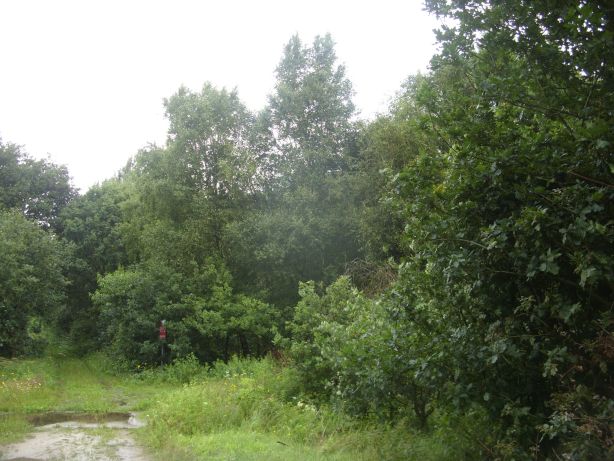
- Location
- DE
- Category
- national parks nature reserves
- Coordinates
- 53.322026, 8.611459
- Best time
- Morning or early afternoon
- Weather tip
- Check the local forecast before visiting.
Overview
The Borner Moor is a protected nature reserve located in Lower Saxony, Germany. As a peatland ecosystem, it represents a vital habitat for specialized flora and fauna adapted to acidic, waterlogged soil conditions. Visitors to this site can expect a tranquil environment characterized by open moorland, diverse heath vegetation, and the unique biodiversity typical of northern German wetlands. The area is managed primarily for conservation purposes, focusing on the preservation and restoration of the peat-forming processes that define the landscape. For those seeking quiet reflection or a connection with undisturbed nature, the Borner Moor serves as an excellent example of regional ecological heritage. While exploring local attractions, visitors are encouraged to remain on marked paths to protect the fragile soil structure and the sensitive species that reside within the moor. The site is best experienced during the morning or early afternoon when light levels are optimal for observing the subtle textures and colors of the vegetation. As part of the broader efforts to maintain natural landscapes in Germany, the Borner Moor offers a glimpse into the geological history of the region. Whether you are looking for trip ideas or simply a place to enjoy the silence of the wilderness, this nature reserve provides a serene escape from urban life. Please ensure you check the local weather forecast before visiting, as conditions can change rapidly in open moorland environments.
General information
The Borner Moor is a protected nature reserve located in Lower Saxony, Germany. As a peatland ecosystem, it represents a vital habitat for specialized flora and fauna adapted to acidic, waterlogged soil conditions. Visitors to this site can expect a tranquil environment characterized by open moorland, diverse heath vegetation, and the unique biodiversity typical of northern German wetlands. The area is managed primarily for conservation purposes, focusing on the preservation and restoration of the peat-forming processes that define the landscape. For those seeking quiet reflection or a connection with undisturbed nature, the Borner Moor serves as an excellent example of regional ecological heritage. While exploring local attractions, visitors are encouraged to remain on marked paths to protect the fragile soil structure and the sensitive species that reside within the moor. The site is best experienced during the morning or early afternoon when light levels are optimal for observing the subtle textures and colors of the vegetation. As part of the broader efforts to maintain natural landscapes in Germany, the Borner Moor offers a glimpse into the geological history of the region. Whether you are looking for trip ideas or simply a place to enjoy the silence of the wilderness, this nature reserve provides a serene escape from urban life. Please ensure you check the local weather forecast before visiting, as conditions can change rapidly in open moorland environments.
Did you know
- The Borner Moor is designated as a protected nature reserve (Naturschutzgebiet) by the state of Lower Saxony.
- Peatlands like Borner Moor act as significant carbon sinks, playing a crucial role in climate regulation.
- The site is home to specialized plant species that have evolved to survive in nutrient-poor, acidic conditions.
History
The Borner Moor has been shaped by thousands of years of peat accumulation, a process that began after the last glacial period. Historically, such moorlands were often utilized for peat extraction for fuel; however, the designation of the Borner Moor as a protected nature reserve reflects a shift in priority toward ecological preservation. Systematic conservation efforts have been implemented to stabilize the water table and protect the remaining peat-forming vegetation from degradation. These measures are essential for maintaining the site's historical function as a carbon reservoir and a refuge for rare, moisture-dependent species that have historically populated the North German Plain.
Cultural significance
The cultural significance of the Borner Moor lies in its role as a preserved remnant of a landscape that once dominated much of Northern Germany. These moors were often perceived as mysterious or inaccessible in folklore, yet they provided essential resources for local populations throughout history. Today, the site serves as an educational resource for understanding the environmental heritage of Lower Saxony. It stands as a testament to the modern German commitment to environmental stewardship, balancing the protection of biodiversity with the public's desire to engage with the natural world in a respectful and sustainable manner.
Geography and landscape
The Borner Moor is characterized by a flat, open topography typical of raised bog and transition mire systems. The landscape is defined by vast expanses of peat-forming vegetation, including various species of Sphagnum moss, sedges, and heath plants. The soil is highly acidic and permanently saturated, creating a unique hydrological environment that dictates the distribution of plant life. The surrounding area consists of agricultural land and forests, making the moor a distinct ecological island. The lack of significant vertical relief allows for unobstructed views across the expanse, emphasizing the vast, horizon-focused nature of the moorland terrain.
More facts
- Imported from OSM batch
Visitor links
Nearby attractions
- Borner Moor 6 m
- Mühle "von Rönn" 15761 m
- Ruschdahlmoor (Lesumer Moor) 16953 m