Amygdaloid Arch
US
- Location
- US
- Category
- iconic bucket list
- Coordinates
- 48.1487786, -88.626041
- Best time
- Morning or early afternoon
- Weather tip
- Check the local forecast before visiting.
Overview
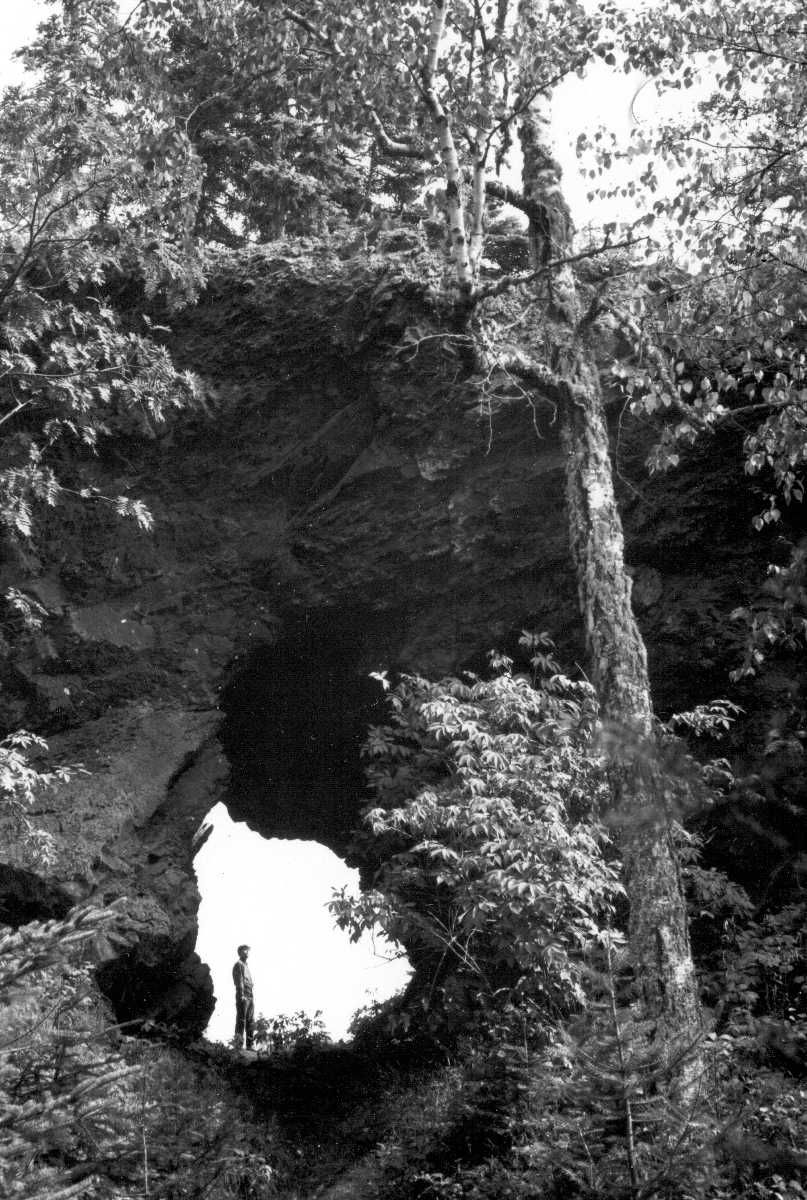
Amygdaloid Arch is a striking natural geological formation located within the boundaries of Isle Royale National Park in Michigan. Positioned on the northeastern end of the island, this sea arch serves as a notable landmark for visitors exploring the rugged, isolated wilderness of Lake Superior. The arch is carved into the ancient volcanic basalt rock that characterizes the archipelago’s dramatic coastline. Visitors to this remote area often travel by boat or kayak to observe the formation, as it is a premier destination for those seeking unique natural sculptures shaped by the relentless erosive forces of the lake. When considering trip ideas for a wilderness excursion, the arch represents the raw, untamed beauty of the Great Lakes region. The site is best accessed during the morning or early afternoon hours, when the lighting provides the clearest view of the arch's structure against the deep blue waters of Lake Superior. As part of a broader itinerary of local attractions, the arch stands as a testament to the geological history of the Keweenaw Peninsula. Because the site is exposed to the elements, it is essential to check the local forecast before visiting to ensure safe conditions for water-based travel. Whether you are an avid geologist or an outdoor enthusiast, the arch offers a profound glimpse into the natural processes that have sculpted this island landscape over millennia.
General information
Amygdaloid Arch is a striking natural geological formation located within the boundaries of Isle Royale National Park in Michigan. Positioned on the northeastern end of the island, this sea arch serves as a notable landmark for visitors exploring the rugged, isolated wilderness of Lake Superior. The arch is carved into the ancient volcanic basalt rock that characterizes the archipelago’s dramatic coastline. Visitors to this remote area often travel by boat or kayak to observe the formation, as it is a premier destination for those seeking unique natural sculptures shaped by the relentless erosive forces of the lake. When considering trip ideas for a wilderness excursion, the arch represents the raw, untamed beauty of the Great Lakes region. The site is best accessed during the morning or early afternoon hours, when the lighting provides the clearest view of the arch's structure against the deep blue waters of Lake Superior. As part of a broader itinerary of local attractions, the arch stands as a testament to the geological history of the Keweenaw Peninsula. Because the site is exposed to the elements, it is essential to check the local forecast before visiting to ensure safe conditions for water-based travel. Whether you are an avid geologist or an outdoor enthusiast, the arch offers a profound glimpse into the natural processes that have sculpted this island landscape over millennia.
Did you know
- Amygdaloid Arch is located in Isle Royale National Park, which is one of the least visited national parks in the United States due to its remote island location.
- The arch is composed of Precambrian basalt, some of the oldest exposed rock on Earth.
- The term 'amygdaloid' refers to the almond-shaped gas bubbles in volcanic rock that have been filled with minerals.
History
The geological history of the Amygdaloid Arch is tied to the Midcontinent Rift System, a failed geological rift that occurred approximately 1.1 billion years ago. This tectonic activity deposited massive layers of basaltic lava, which eventually formed the bedrock of Isle Royale. Over subsequent eons, glacial activity and the persistent wave action of Lake Superior eroded the softer sections of the basalt cliffs, eventually leaving behind the resilient, arch-shaped formation seen today. Human history in the area includes indigenous copper mining and later commercial fishing efforts, though the arch itself remains a primarily natural feature rather than a site of human historical development.
Cultural significance
While the arch does not hold specific documented cultural rituals, it carries significant weight in the context of American wilderness preservation. As part of Isle Royale National Park, it is protected under the Wilderness Act of 1964, ensuring the landscape remains largely untouched by modern development. The arch serves as a symbol of the 'island wilderness' experience, drawing researchers, photographers, and hikers who value the preservation of North America’s pre-industrial landscapes. It is a focal point for those interested in the environmental history of the Great Lakes.
Geography and landscape
The landscape surrounding Amygdaloid Arch is defined by the stark, glaciated terrain of the Lake Superior archipelago. The area consists of long, narrow ridges of basaltic rock separated by deep valleys and inland lakes. The coastline is jagged, featuring cliffs, cobble beaches, and dense boreal forests composed primarily of spruce, fir, and birch. The arch itself sits at the water's edge, where the transition between the terrestrial volcanic rock and the aquatic environment of Lake Superior is most abrupt. The cold, clear waters of the lake provide a deep contrast to the dark, iron-rich volcanic stones of the arch.
More facts
- Imported from OSM batch