Amistad Memorial
US
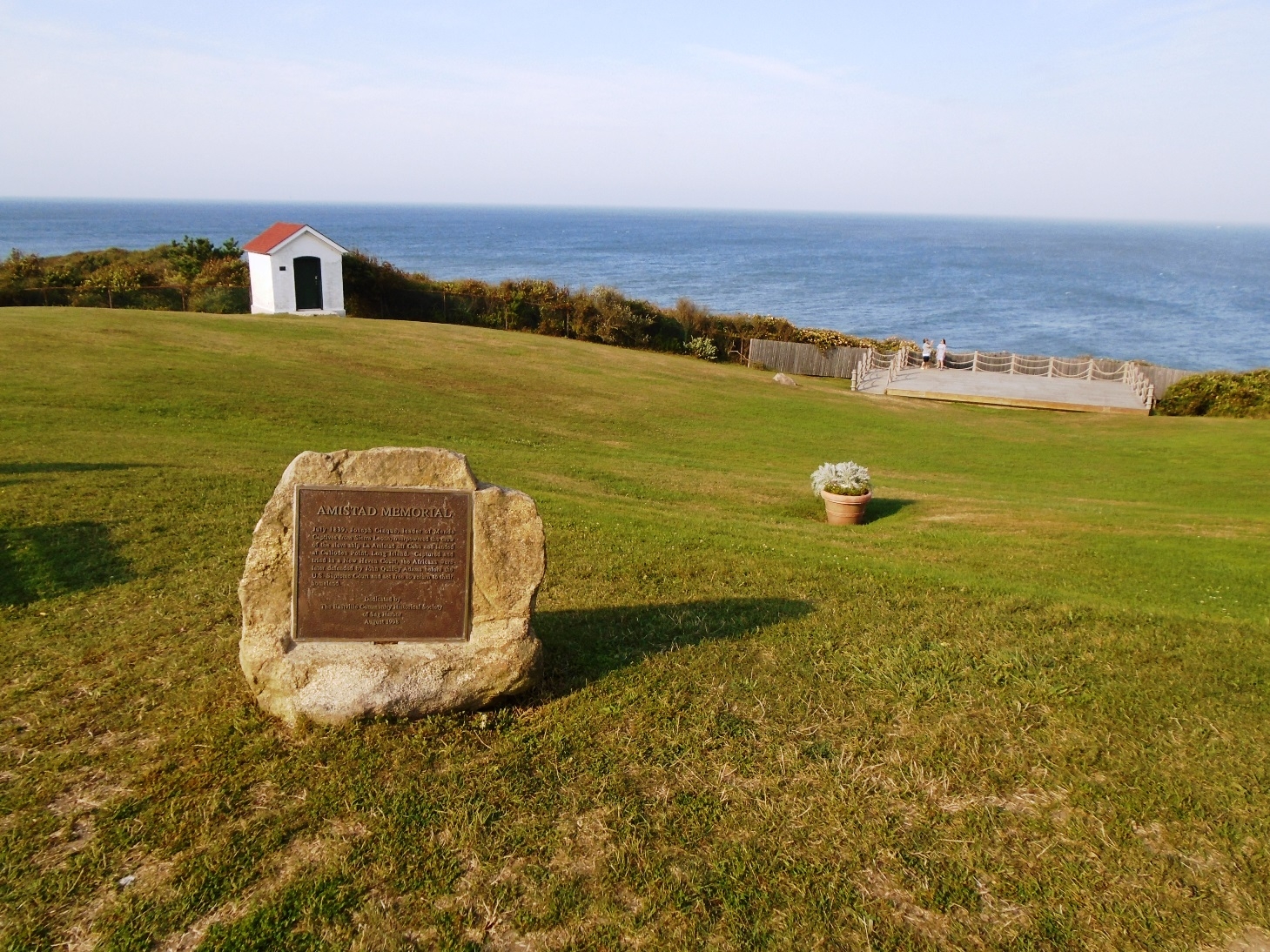
- Location
- US
- Category
- heritage historic sites
- Coordinates
- 41.0711345, -71.8574959
- Best time
- Morning or early afternoon
- Weather tip
- Check the local forecast before visiting.
Overview
The Amistad Memorial, located in New Haven, Connecticut, stands as a profound tribute to the 1839 revolt of Africans aboard the schooner La Amistad. This significant monument serves as a focal point for those exploring local attractions and seeking to understand the complexities of American history. Sculpted by Ed Hamilton and dedicated in 1992, the bronze relief depicts the narrative of the Mende people, their journey, and their eventual legal victory in the United States Supreme Court, which secured their freedom. Visitors to the site find a powerful artistic representation of human resilience and the pursuit of justice. The memorial is situated near City Hall, making it a convenient stop for those planning trip ideas that integrate historical education with urban exploration. The structure is composed of three bronze panels mounted on a granite base, each representing a distinct phase of the Amistad story: the Middle Passage, the trial in New Haven, and the return to Africa. By visiting, guests engage with a tangible piece of the abolitionist movement's legacy. Whether you are a history enthusiast or simply looking for meaningful places to visit, the memorial offers a quiet space for reflection on the foundational principles of liberty and the historical events that shaped the national consciousness. It remains an essential destination for anyone interested in the intersection of law, human rights, and the American experience.
General information
The Amistad Memorial, located in New Haven, Connecticut, stands as a profound tribute to the 1839 revolt of Africans aboard the schooner La Amistad. This significant monument serves as a focal point for those exploring local attractions and seeking to understand the complexities of American history. Sculpted by Ed Hamilton and dedicated in 1992, the bronze relief depicts the narrative of the Mende people, their journey, and their eventual legal victory in the United States Supreme Court, which secured their freedom. Visitors to the site find a powerful artistic representation of human resilience and the pursuit of justice. The memorial is situated near City Hall, making it a convenient stop for those planning trip ideas that integrate historical education with urban exploration. The structure is composed of three bronze panels mounted on a granite base, each representing a distinct phase of the Amistad story: the Middle Passage, the trial in New Haven, and the return to Africa. By visiting, guests engage with a tangible piece of the abolitionist movement's legacy. Whether you are a history enthusiast or simply looking for meaningful places to visit, the memorial offers a quiet space for reflection on the foundational principles of liberty and the historical events that shaped the national consciousness. It remains an essential destination for anyone interested in the intersection of law, human rights, and the American experience.
Did you know
- The memorial was the first public monument in New Haven to honor African Americans.
- The sculptor, Ed Hamilton, spent several years researching the history of the Mende people to ensure the accuracy of the relief.
- The Amistad case was argued by former U.S. President John Quincy Adams before the Supreme Court.
History
In 1839, 53 Mende captives revolted against their captors aboard the Spanish schooner La Amistad. The ship was intercepted by the U.S. Navy off the coast of Long Island, leading to a series of legal battles in New Haven. The case reached the U.S. Supreme Court in 1841, where the captives were successfully defended by John Quincy Adams. The court ruled that the Africans had been kidnapped and were legally free, allowing the survivors to return to their homeland. The memorial was commissioned by the Amistad Committee and dedicated in 1992 to commemorate this pivotal victory for human rights and the abolitionist movement.
Cultural significance
The Amistad Memorial is a cornerstone of New Haven's historical identity, representing the city's role in the fight against the international slave trade. It serves as a symbolic bridge between the tragic history of the Middle Passage and the triumph of the American judicial system in upholding the rights of the enslaved. The site is frequently used for commemorative events and educational programs that highlight the ongoing relevance of civil rights. By honoring the Mende people's resistance, the memorial emphasizes the agency of those who fought for their own liberation, shifting the narrative focus from passive victimhood to active struggle and eventual freedom.
Geography and landscape
The Amistad Memorial is situated in front of New Haven City Hall on Church Street, placing it in the heart of the city's historic downtown district. The urban setting is characterized by a mix of 19th-century architecture and modern government buildings. The monument itself rests on a granite base, designed to be accessible to pedestrians walking through the plaza. The surrounding area features paved walkways and landscaping that provide a quiet, contemplative atmosphere in contrast to the busy city traffic nearby. Its proximity to other historic landmarks makes it a central point for walking tours of New Haven.
More facts
- Imported from OSM batch
Visitor links
Nearby attractions
- USS Montauk 17 m
- Montauk Lighthouse 24 m
- U.S. Merchant Mariners and U.S. Navy Armed Guard 56 m
- Fire Control Tower 60 m
- Hither Hills West Overlook New York City - 14070 m
- COAST GUARD BEACH 25106 m