Acropoli (Civita) Di Alatri
IT
- Location
- IT
- Category
- heritage historic sites
- Coordinates
- 41.7247354, 13.3443864
- Best time
- Morning or early afternoon
- Weather tip
- Check the local forecast before visiting.
Overview
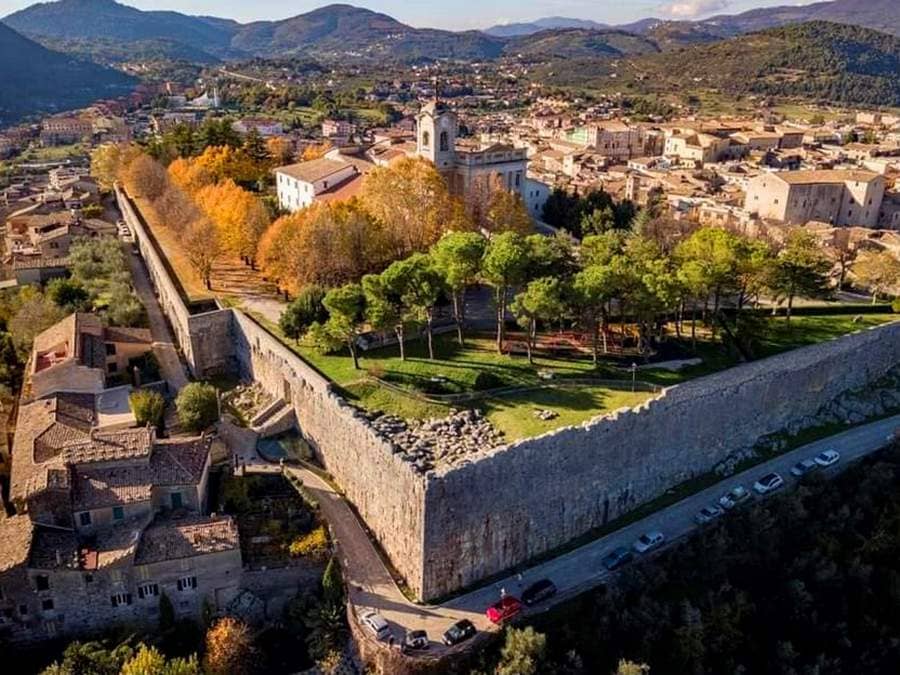
The Acropoli of Alatri, known locally as the Civita, represents one of the most remarkable examples of pre-Roman defensive architecture in Italy. Situated at the highest point of the town of Alatri, this site is defined by its massive polygonal walls, constructed from colossal limestone blocks fitted together without mortar. These fortifications, dating back to the 6th and 4th centuries BCE, exemplify the 'Cyclopean' masonry technique favored by the Hernici people. Visitors to the site can explore the elevated plateau, which offers an immersive look at ancient engineering and urban planning. The acropolis serves as a primary hub for those seeking historical trip ideas in the region, providing a tangible connection to the Iron Age and the later Roman influence on the Italian peninsula. Beyond the structural remains, the site offers panoramic views of the surrounding Latium landscape, making it a focal point for heritage tourism. As one of the best-preserved examples of such fortifications in Europe, the Civita is a significant destination for travelers interested in archaeological sites and ancient history. Whether you are planning a day trip or looking for local attractions to enrich your understanding of pre-Roman civilizations, the Acropoli of Alatri provides a profound perspective on the evolution of defensive architecture. The site is best visited during the morning or early afternoon to take full advantage of the natural lighting for photography.
General information
The Acropoli of Alatri, known locally as the Civita, represents one of the most remarkable examples of pre-Roman defensive architecture in Italy. Situated at the highest point of the town of Alatri, this site is defined by its massive polygonal walls, constructed from colossal limestone blocks fitted together without mortar. These fortifications, dating back to the 6th and 4th centuries BCE, exemplify the 'Cyclopean' masonry technique favored by the Hernici people. Visitors to the site can explore the elevated plateau, which offers an immersive look at ancient engineering and urban planning. The acropolis serves as a primary hub for those seeking historical trip ideas in the region, providing a tangible connection to the Iron Age and the later Roman influence on the Italian peninsula. Beyond the structural remains, the site offers panoramic views of the surrounding Latium landscape, making it a focal point for heritage tourism. As one of the best-preserved examples of such fortifications in Europe, the Civita is a significant destination for travelers interested in archaeological sites and ancient history. Whether you are planning a day trip or looking for local attractions to enrich your understanding of pre-Roman civilizations, the Acropoli of Alatri provides a profound perspective on the evolution of defensive architecture. The site is best visited during the morning or early afternoon to take full advantage of the natural lighting for photography.
Did you know
- The walls of the Acropoli are built using the 'Cyclopean' technique, where massive stones are joined without mortar.
- The site dates back to the 6th and 4th centuries BCE, predating much of the Roman expansion in the area.
- It is located at the highest point of the town of Alatri, providing a strategic vantage point over the Latium valley.
History
The history of the Acropoli of Alatri is deeply linked to the Hernici people, an ancient Italic tribe. The construction of the massive polygonal walls began as early as the 6th century BCE, with significant expansions occurring in the 4th century BCE. These walls were designed to protect the religious and political center of the city. Following the Roman conquest of the region, Alatri became a 'civitas foederata,' maintaining a degree of autonomy that allowed these ancient structures to remain largely intact. The site has survived centuries of seismic activity and urban development, serving as a testament to the sophisticated engineering capabilities of pre-Roman Italic cultures.
Cultural significance
The Acropoli of Alatri is a cornerstone of Italian archaeological heritage. It serves as a vital cultural touchstone for understanding the architectural transition between indigenous Italic traditions and the influence of the Roman Republic. The site is not merely a ruin; it is an active part of the town's identity, representing the resilience and historical continuity of Alatri. It is frequently studied by historians and archaeologists for its pristine preservation of polygonal masonry, which offers unique insights into the social hierarchy and defensive strategies of ancient Mediterranean civilizations.
Geography and landscape
The Acropoli is situated atop a rugged limestone hill that dominates the urban landscape of Alatri. The terrain is steep and rocky, which naturally enhanced the defensive capabilities of the site in antiquity. Surrounded by the rolling hills of the Latium region, the acropolis offers extensive views of the valley floor. The urban layout of the modern town of Alatri has grown around the base of this ancient core, creating a stark contrast between the massive, weathered stone blocks of the acropolis and the medieval and Renaissance architecture of the town below.
More facts
- Imported from OSM batch
Visitor links
Nearby attractions
- Monumento ai Caduti per la Patria 324 m
- Roman theater of Ferentinum Ferentino - 8443 m